
Week 5
Bravery


I can do hard things
Every hero has powers that help them be brave. When we stop and notice how we’re feeling, we can use our thinking powers to recognize when we feel scared or uncomfortable. And that’s not a bad thing! Feeling fear means we have a chance to be brave.
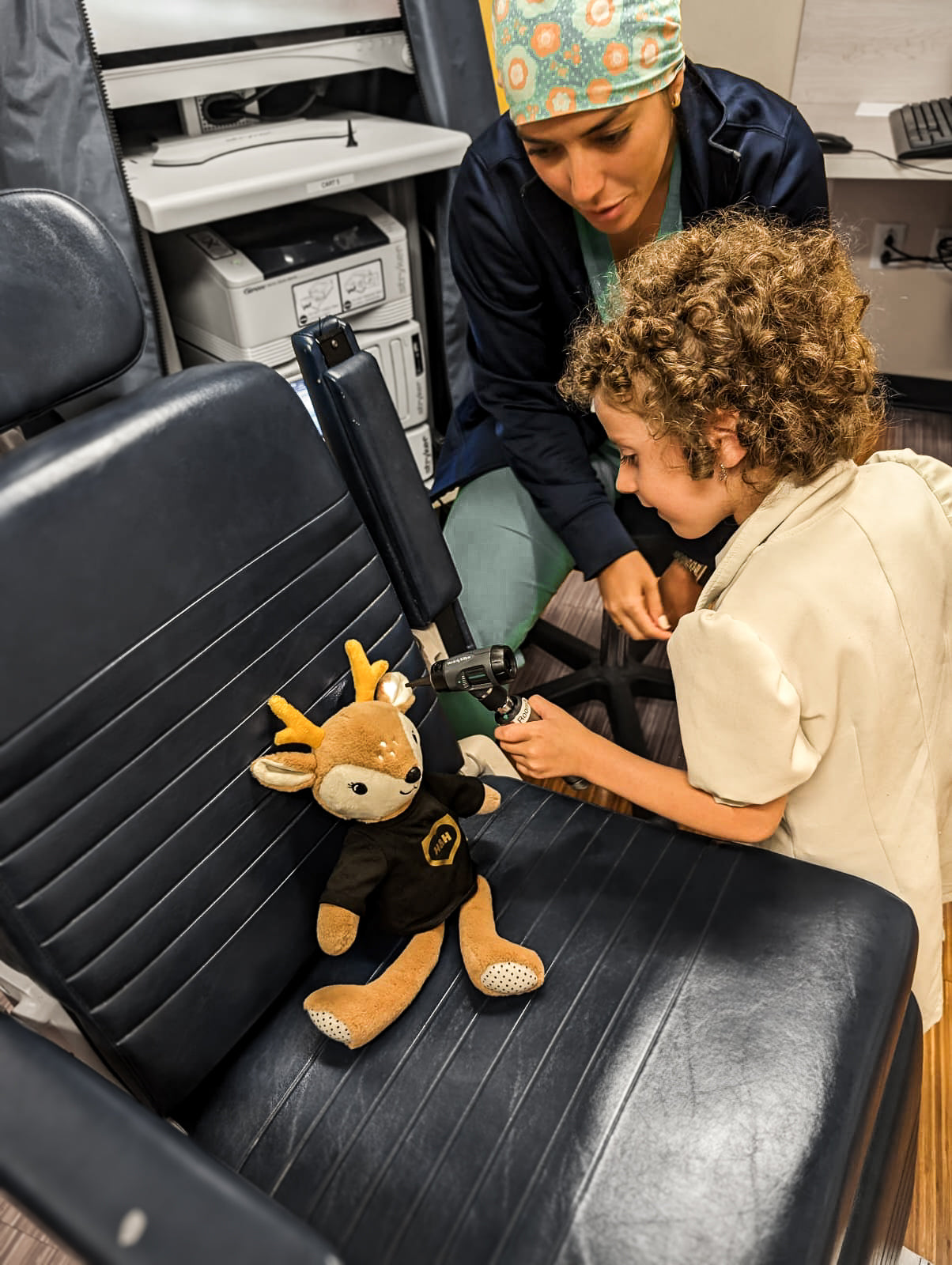
How to use my Brave Powers
Thinking Powers
We can also use our thinking powers to know the difference between safe uncomfortable (trying something hard but good for us) and unsafe uncomfortable (something that could hurt us, so we tell a grown-up right away!).
Word Powers
We can use our speaking powers to remind ourselves, “I can do hard things!” or to ask a grown-up for help when we need it.
Action Powers
We can use our action powers to help our bodies feel calm and safe. Taking deep breaths in slowly... and out slowly... reminds our body that we’re okay. Then we can take that first small step toward doing something hard, like trying a new food, sleeping in our own bed, or asking someone to play.

Brave vocab: safe and unsafe fear
Safe Fear
When doing something good for you (or safely fun) feels scary. Here, the fear is a chance to use your Braves.
For example, getting a shot at the doctor, going to the dentist, sleeping in your own bed, or speaking up when you feel shy.
Unsafe Fear
This is the fear you feel when someone wants you to do something that could hurt you or isn’t kind to yourself or others.
Like if a kid tells you to jump off something way too high or run into the street. Then being brave means saying NO.
How to Tell the Difference
When you feel scared, ask: “If I tell a grown-up about this, will they be proud or worried?”
If the answer is “worried” (or if you’re told to “keep it secret”), this is a sign it’s an unsafe fear. The brave thing is to say “no!” and tell a grown-up.

hero talk
What’s something that you used to find scary but isn’t anymore?
Tell me about a time that you used your Brave Powers.
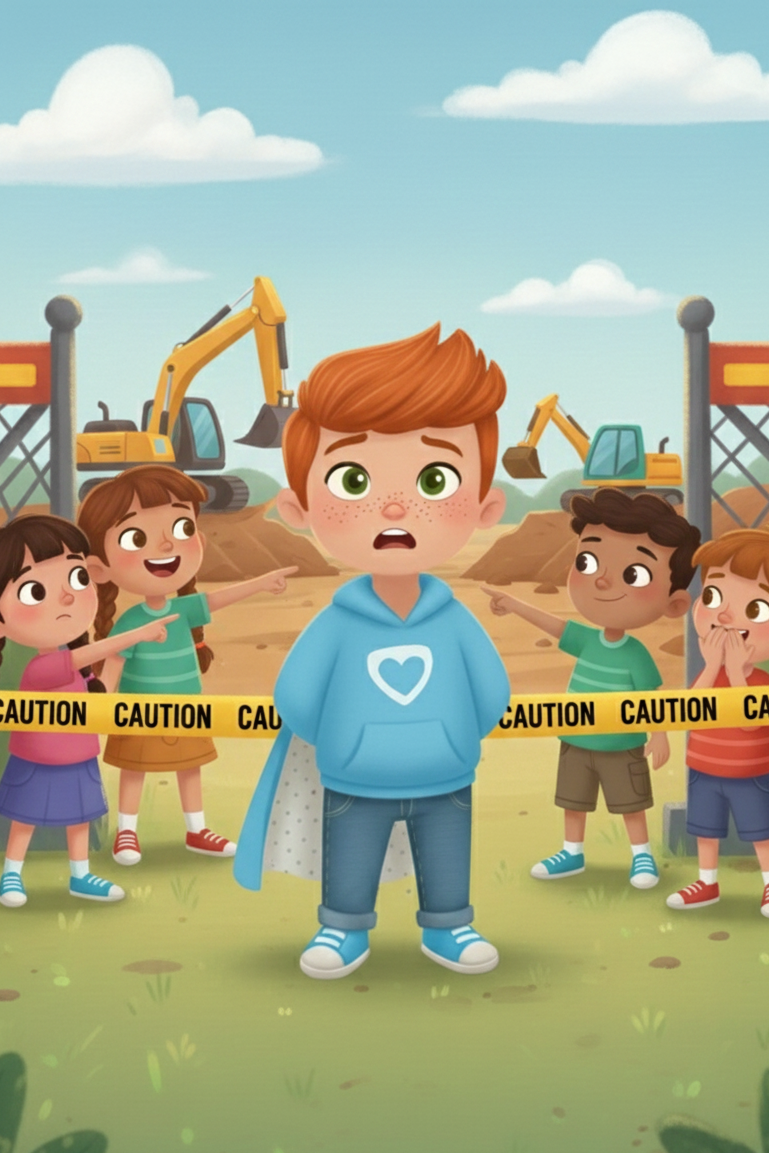
Jett uses his braves to say "NO!'
When Jett's friends dare him to go into the construction site, he using his thinking Powers to realize that this is an Unsafe Fear. He uses his word powers say "No!" and his action powers to walk away and find somewhere safe to play.
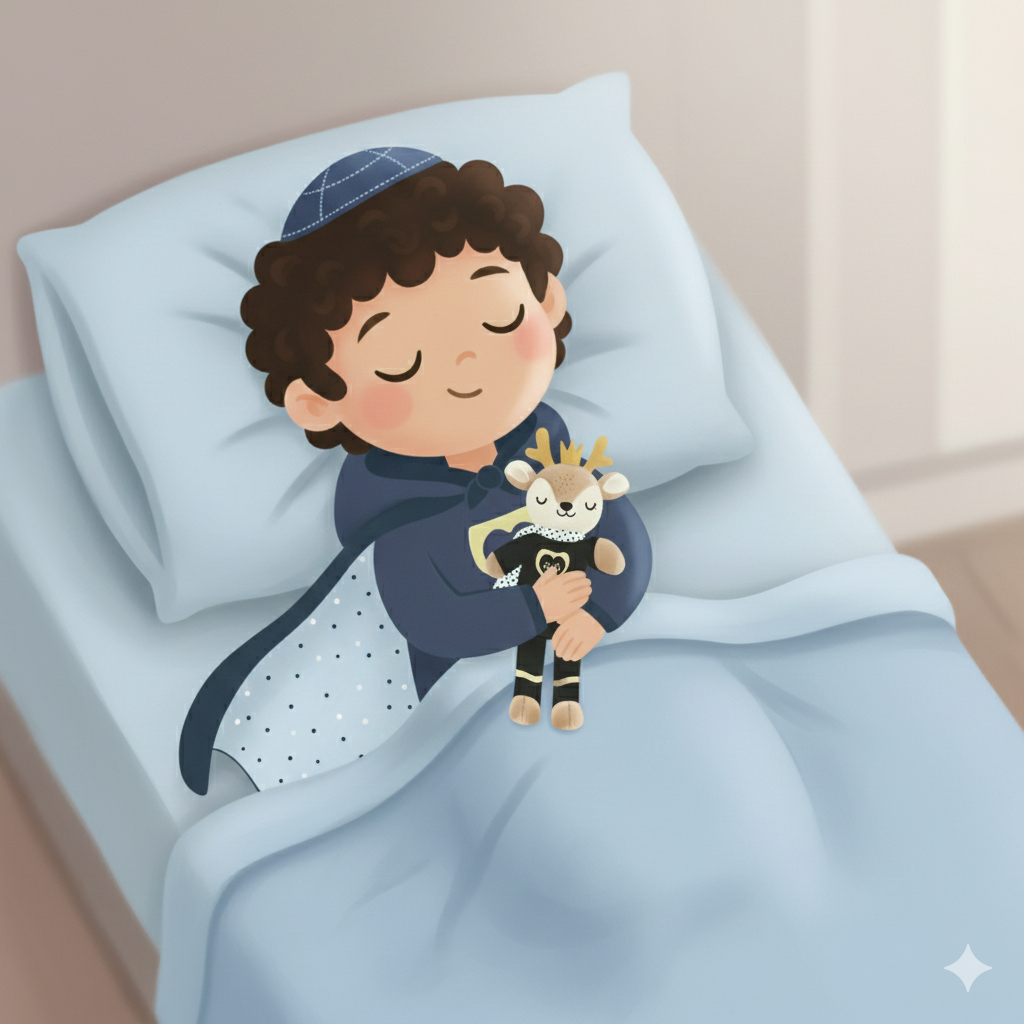
Danny is using his Braves to sleep in his own bed!
He is using his thinking powers to remeber that he's safe. He's using his word powers to whisper is affirmations: "I am strong. I can do hard things."
He's using his action powers to hug his doll and practice breathing to remind his body that he's safe.
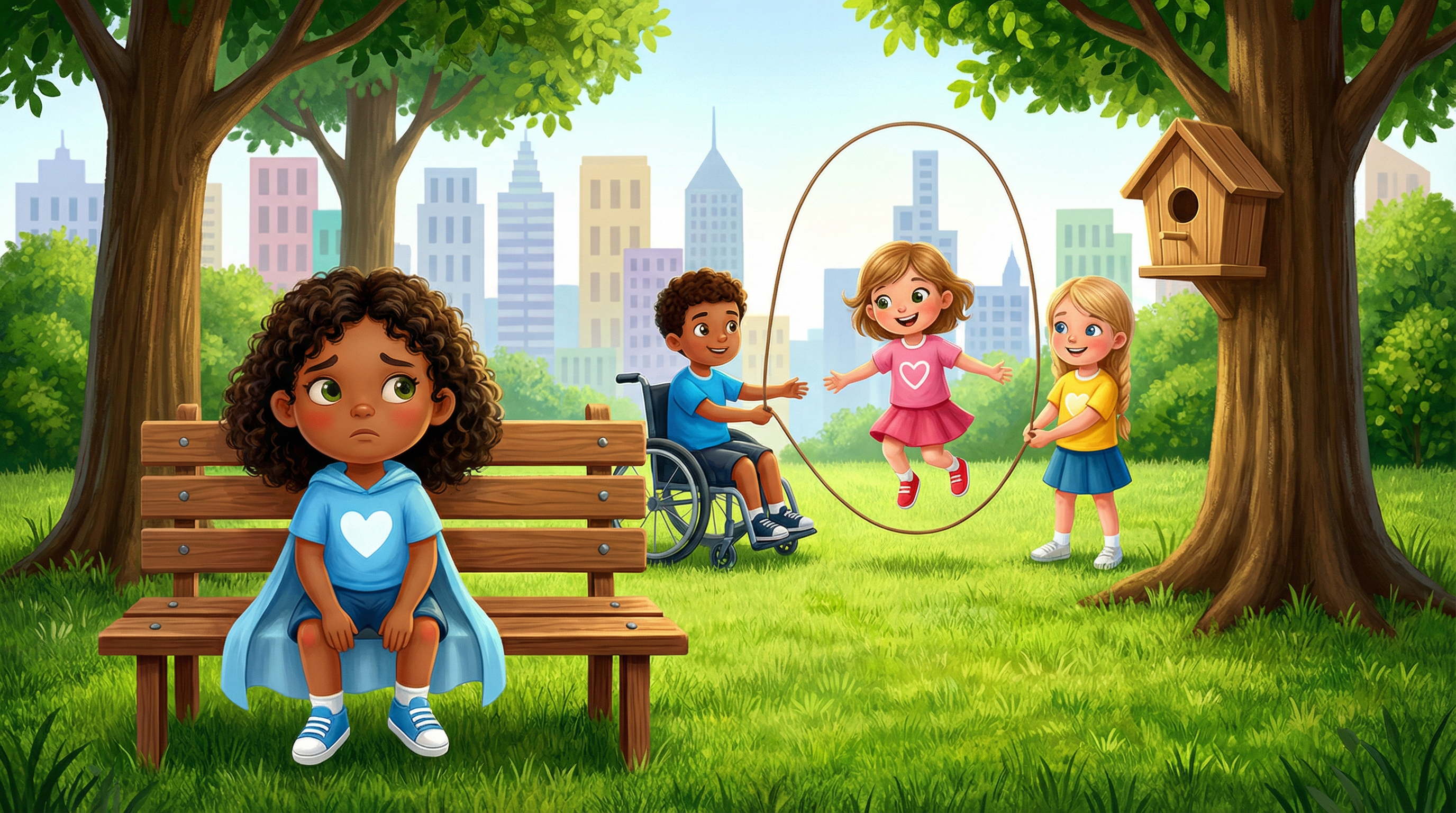
Lyla uses her braves to ask to play!
Lyla feels shy and lonely. She uses her thinking powers to see who she wants to play with and remind herself she can do hard things. She uses her word powers to go over and ask to join. She uses her action powers to breathe and find her calm.
Every child has a hero within. One powered by kindness, courage, responsibility, and resilience.
This “inner hero” isn’t something they have to earn or become; it’s already a part of who they are. Like the sun, it shines from within. It’s steady, strong, and always present. Sometimes clouds appear that make it hard to see the light. But the Hero Mindset helps children remember that even when their sky feels cloudy, their sun hasn’t gone anywhere. Their inner hero is still there, waiting to shine again.
Hartie is the lovable and powerful superhero of Heroville. A guide who helps children discover the hero within themselves, Hartie’s greatest superpower is helping kids uncover their own: kindness, courage, responsibility, and resilience. With his signature hero cape and golden shield, Hartie reminds children that they have everything they need to face everyday challenges with bravery and heart.
Inspired by the deer for which he’s named, Hartie embodies both strength and gentleness. He’s calm, steady, and always ready to help kids find their inner light—especially in moments that feel tough, scary, or uncertain. Hartie isn’t there to rescue; he’s there to remind each child that they are the hero of their own story.
No two heroes look the same, and no two journeys are alike. Every child experiences courage, kindness, and strength in their own way. For one, bravery might mean whispering “hi” to a new friend. For another, it could be trying a new food, speaking up in class, or sleeping in their own bed for the first time. The Hero Mindset teaches children that heroism isn’t about comparison—it’s about showing up for themselves, one small, brave step at a time. By honoring each child’s individuality, it empowers them to see that their story, their pace, and their kind of courage all matter.
The Hero Mindset helps children see that being a hero isn’t about doing big things. It’s about finding courage in everyday moments. When kids face an everyday challenge, it gives parents and children the language to help them reframe themselves as the hero of the situation, not the victim of it. Hartie’s Club teaches them how to use the tools they already have inside—their thinking powers, word powers, and action powers to navigate challenges and develop their powers of kindness and compassion, resilience and responsibility.


